

I have spent years reviewing online casino platforms across different devices, and I can tell you that the shift toward cross-device capability is the single most important advancement in the industry right now eurocasino.com.nl. When I first started betting at Casino Euro, I would sit at my desktop computer every evening, thinking that was the only way to enjoy a proper session. Today, I switch between my laptop, tablet, and smartphone without ever sacrificing my place or compromising on quality. The Dutch market has embraced mobile gaming faster than almost anywhere else in Europe, with players across the Netherlands expecting seamless transitions between devices. What I want to discuss with you in this article are the practical, technical findings I have gathered about making cross-device casino apps work flawlessly. Whether you are journeying from Utrecht to Amsterdam or resting at home in Rotterdam, knowing how to enhance your setup will revolutionize your experience completely.
Understanding Cross-device Synchronization
When I discuss cross-device synchronization, I am pointing to the technology that enables your casino account, balance, game progress, and preferences to track with you instantly from one device to another. In the early days of mobile casino apps, you would often find yourself managing separate wallets or losing your place in a game when switching devices. Modern platforms like Casino Euro have erased this friction entirely through cloud-based account architecture. The moment I log in on my tablet after playing on my phone, my exact balance is displayed, my favorite games are highlighted, and any bonuses I have activated remain available. This synchronization is based on real-time data streaming between the app and secure servers, which means a stable internet connection is essential. I always advise Dutch players check their connection strength before starting a session, especially if they plan to switch devices midway. The technology behind this is extremely sophisticated, involving encrypted tokens that authenticate your session across multiple endpoints without compromising security. For players in the Netherlands, where public Wi-Fi on trains and in cafes is common, using a VPN can sometimes disrupt this synchronization, so I suggest connecting directly through your mobile data plan when possible to maintain the cleanest handoff between devices.
One aspect of cross-device synchronization that often surprises players is how game states are maintained. Not every game allows mid-game switching, and understanding this distinction will save you frustration. Slot games usually synchronize your balance and bonus progress but not the exact spin you were on, while live dealer games keep your seat at the table for a limited time. I have observed that Casino Euro manages this particularly well by clearly specifying which games support deep state preservation and which only synchronize account-level data. When I am engaged in blackjack on my desktop and need to leave suddenly, I can open the app on my phone and often find myself still at the same table, though the hand will have been folded if I missed the decision timer. The key technical requirement here is that both devices must be running the most recent version of the app. Outdated software on one device can break the synchronization chain, causing discrepancies that customer support then needs to resolve manually. I make it a habit to enable automatic updates on all my devices to prevent this issue entirely.
Managing Notifications and Alerts Smoothly
One of the least recognized aspects of cross-device casino apps is notification management, and getting this wrong can lead to a fragmented and annoying experience. When I initially began using Casino Euro across three devices, I would get the same promotion alert on my phone, tablet, and desktop simultaneously, creating an echo chamber of notifications that seemed like spam than useful communication. Modern apps have become considerably more advanced about this, utilizing your active device status to route notifications intelligently. The system recognizes which device you are currently using and delivers alerts only there, turning off the others until they become active. To ensure this functions correctly, you need to verify that notification permissions are enabled consistently across all your devices. I have noticed that disabling notifications on even one device can throw off the routing logic and lead to missed time-sensitive alerts, such as limited-time bonus offers or live tournament start reminders that are highly sought after among Dutch players.
Customizing your notification preferences is not just about minimizing irritation; it is about ensuring that important account security alerts get to you regardless of which device you are using. I set up my Casino Euro account so that login alerts, withdrawal confirmations, and security-related messages are pushed to every device simultaneously with high priority. Promotional messages, on the other hand, I restrict to in-app display only, which signifies I see them when I open the app but they do not disturb my day. This layered approach to notifications honors my attention while ensuring I stay updated about the things that truly matter. For players in the Netherlands who participate in the popular weekly tournaments, I suggest enabling tournament-specific alerts that notify you of leaderboard changes or approaching deadlines. These competitive events often have Dutch-specific leaderboards, and remaining aware about your ranking can be the deciding factor between a prize and a near miss. The notification settings panel in Casino Euro is detailed enough that you can adapt alerts for different game categories, guaranteeing that you only hear about the games you actually play.
Troubleshooting Typical Device-to-device Issues
With the optimal planning, cross-device casino play can sometimes run into problems, and understanding how to detect and fix them swiftly will maintain your sessions pleasant. The most frequent issue I come across is a balance discrepancy between devices, where my phone indicates one amount and my tablet indicates another after a deposit or withdrawal. This nearly always resolves itself within a minute or two as the cloud synchronization updates, but if it remains, I force a manual refresh by logging out and returning on the impacted device. Removing the app cache is my following action if the problem continues, as faulty local data can block proper synchronization. On Android devices, this is carried out through the system settings under the app information screen, while on iOS, deleting and reinstalling the app delivers the identical result without losing your login credentials. I have also found that time zone mismatches can cause minor issues for Dutch players who travel often. If your device’s clock is not set to update automatically, a manual time difference can confuse the app’s session management, resulting in premature logouts or bonus expiration errors.
Another common pain point is game-specific compatibility when changing devices mid-session. I noted earlier that not all games allow deep state preservation, and experiencing this limitation unexpectedly can be annoying. When I aim to play a long poker tournament or an extended live blackjack session, I check the game’s information panel beforehand to verify whether it offers cross-device continuation. If it does not, I commit to finishing the session on the device where I started. Connection drops during device switching are another category of problem that demands a specific recovery approach. If your original device loses connection before the new device establishes its session, the server may view this as an abandoned game and terminate your position. To lessen this risk, I always launch the app on the second device and log in before closing the app on the first device. This overlapping handoff provides the server time to identify the transition and maintain your state. For Dutch players using e-wallets like iDEAL for deposits, cross-device payment flows can sometimes time out if you move between devices during the payment authorization process. I recommend completing any financial transactions on a single device from start to finish to avoid complications.
Enhancing App Performance Across Hardware
Achieving the optimal performance from your casino app on every device demands a few deliberate steps that go beyond simply installing and logging in. I always start by adjusting the in-app graphics settings to suit each device’s abilities. On my desktop with a dedicated graphics card, I set everything at maximum quality and savor the fullest visual experience. On my tablet, I turn the settings down slightly to keep smooth frame rates, and on my phone, I use the optimized balanced mode that emphasizes responsiveness over visual detail. Most players do not realize these settings are available because they are often tucked away in a preferences menu, but making the effort to set up each device individually yields benefits enormously in day-to-day use. Battery optimization is another critical factor, especially for Dutch players who enjoy longer sessions while on the move. I have noticed that live casino games drain battery at roughly three times the rate of standard slot games due to the continuous video streaming. Enabling battery saver mode within the app, which lowers the stream quality slightly, can extend your play time by hours without significantly impacting the experience.
Background processes on your device can subtly degrade casino app performance in ways that are not immediately clear. When I am gearing up for an important gaming session, I terminate all unnecessary applications, particularly social media apps and messaging services that constantly contact servers in the background. These background network requests vie with the casino app for bandwidth and processing power, causing micro-stutters that can disturb live betting or trigger synchronization delays. On Android devices, I also recommend examining your battery optimization settings at the system level, as some manufacturers aggressively curb background data for apps not used frequently. If you mainly game on one device and occasionally switch to another, the secondary device may have been downgraded by the system, resulting in slow synchronization when you finally launch the app. Placing the casino app to your device’s list of unrestricted apps avoids this issue entirely. For Dutch users on the KPN or Vodafone networks, I have discovered that turning off Wi-Fi assist features that automatically switch between mobile data and Wi-Fi can prevent disconnections during critical moments in live games.
Device Compatibility and Software Requirements
Before entering the world of cross-device casino gaming, you must understand exactly what hardware and software are needed for your experience. I have tested Casino Euro on a wide range of devices available in the Netherlands, from the latest iPhone models to mid-range Android tablets and Windows laptops. The good news is that modern casino apps are made to be remarkably inclusive in their compatibility. For iOS users, I suggest running iOS 15 or later, which covers devices going back to the iPhone 7 and the fifth-generation iPad. On the Android side, version 10 and above provides the most stable experience, though I have successfully used the app on Android 9 devices with only minor performance differences. What matters more than the operating system version is the available RAM on your device. I have discovered that 3GB of RAM is the practical minimum for smooth gameplay, especially when running live dealer streams that demand constant video decoding. Devices with 2GB or less still operate for simpler slot games, but you will notice stuttering and longer load times when switching between apps or during synchronization events.
Storage space is another consideration that Dutch players often neglect until they encounter problems. The Casino Euro app itself is relatively compact at around 150MB, but the cached data can increase significantly as you play different games. Each new game you open downloads assets that remain stored locally to speed up future sessions. Over a month of regular play across multiple game types, I have noticed the app footprint expand to over 1GB. If your device is already near capacity, this may cause synchronization failures and unexpected crashes. I recommend keeping at least 2GB of free space available at all times. Screen resolution also has a role in cross-device compatibility that surprises many users. When I transition from a high-resolution tablet to a smaller phone screen, the interface adapts automatically, but certain games with complex table layouts may feel cramped. Games designed with responsive layouts deal with this transition beautifully, while older titles might show small touch targets that are harder to use accurately. For the best cross-device experience, I lean toward newer game releases that were built with mobile-first design principles from the ground up.
Security Best Practices for Multi-device Play
Using a casino app across multiple devices increases your convenience, but it also multiplies the security considerations you need to consider. I treat every device that has access to my Casino Euro account as a potential vulnerability point that needs its own protection. The most fundamental practice I adhere to is enabling two-factor authentication on my account, which means that even if someone obtains my password on one device, they cannot log in without the secondary code from my authenticator app. Biometric login options, such as fingerprint scanning and facial recognition, add another layer of convenience without sacrificing security. I have adjusted every device I use to require biometric verification before opening the casino app, which takes less than a second but stops unauthorized access if I leave my phone unlocked on a table. In the Netherlands, where digital banking and online identity verification are deeply integrated into daily life, players tend to have higher security expectations, and I find that Casino Euro fulfills these standards with bank-grade encryption across all platforms.

Public networks represent the most significant security risk for cross-device casino players, and this is especially relevant in a connected country like telegraaf.nl the Netherlands where free Wi-Fi is ubiquitous. I never log into my casino account on public Wi-Fi without first connecting through a trusted VPN service. The risk is not hypothetical; unsecured networks can expose your login credentials to anyone with basic packet-sniffing tools. When I am gaming on the train between The Hague and Amsterdam, I count exclusively on my mobile data connection for casino sessions. Another security practice I have embraced is maintaining a unique, complex password for my casino account that I do not reuse anywhere else. Password managers enable this easy to manage across devices without the temptation to simplify or repeat passwords. I also review my account’s active sessions regularly through the security settings panel. If I see a device I do not recognize or a location that does not match my movements, I can close that session immediately. This visibility into your own account activity is a powerful tool that too few players utilize.
Choosing the Proper App for Your Device Ecosystem
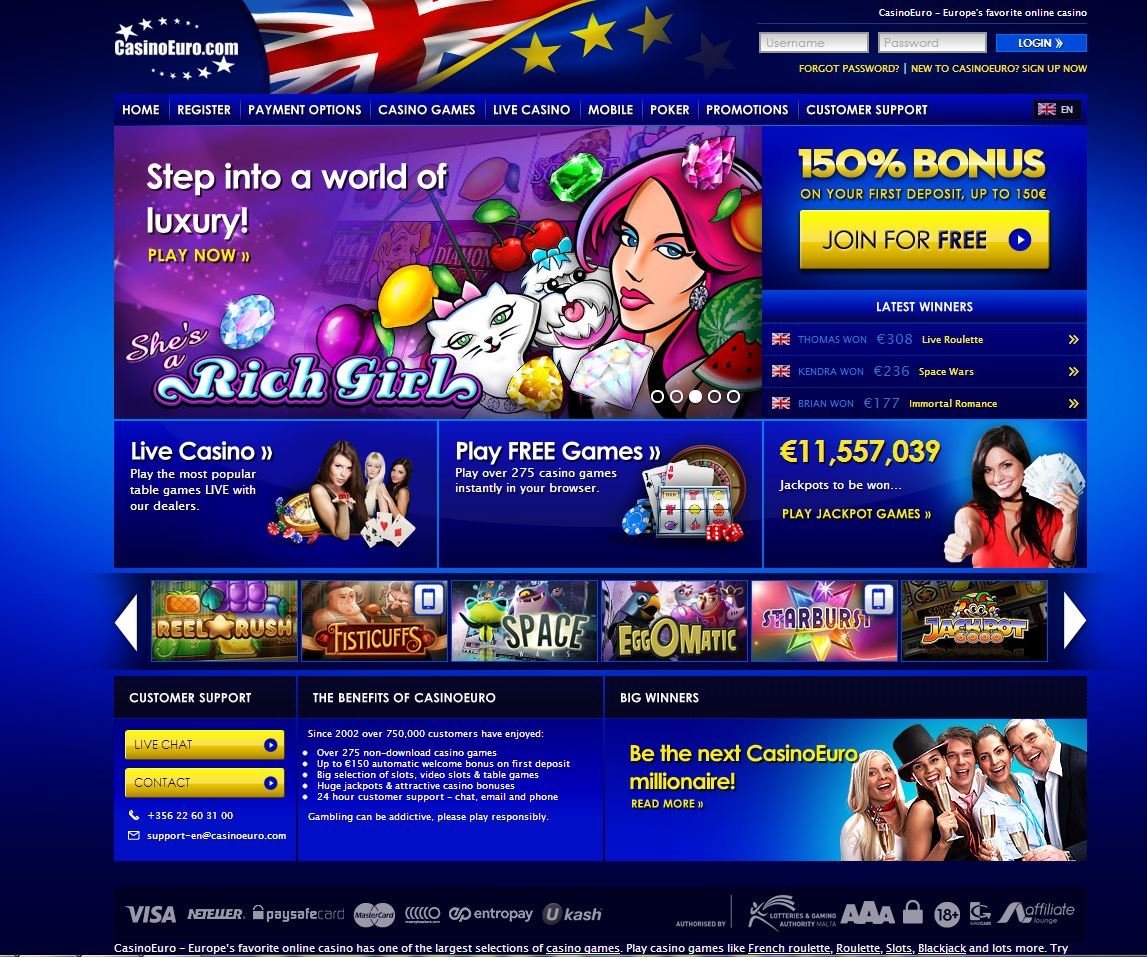
Not all casino apps are built equal when it comes to cross-device functionality, and taking the right choice for your specific mix of devices will determine your long-term satisfaction. I evaluate casino apps based on three criteria: native app availability for my primary platforms, web-based fallback quality for devices without native support, and the fluidity of the transition between these access methods. Casino Euro excels in this regard by offering dedicated iOS and Android applications alongside a fully functional mobile web version that works on any device with a modern browser. This means that even if I am using a Linux laptop or an older tablet that cannot run the native app, I can still access my full account through the browser without any feature gaps. The web version uses the same cloud synchronization infrastructure as the native apps, so my balance, history, and preferences remain consistent regardless of how I connect. For Dutch players who tend to use a wide variety of devices, this hybrid approach provides essential flexibility.
When I am advising friends in the Netherlands about picking a casino app for cross-device use, I emphasize the importance of checking the specific games you enjoy most across all your devices before investing significant funds. Some apps function beautifully with slots but have difficulty with the demands of live dealer streaming on certain hardware. I devoted an afternoon trying Casino Euro’s live roulette and blackjack tables on my oldest device, a five-year-old Android tablet, and was genuinely impressed by how well the adaptive streaming responded to the hardware limitations. The video quality automatically decreased to maintain smooth playback, and the interface elements adjusted appropriately for the smaller screen. Another factor I think about is how the app handles Dutch language preferences across devices. A well-designed cross-device app retains your language setting universally, so you do not need to readjust it each time you set up the app on a new device. Casino Euro stores this preference at the account level, which means my choice of English or Dutch interface follows me everywhere I log in. This attention to detail signals an architecture that was designed for cross-device use from the start rather than added later later.
Multi-device casino gaming has matured into a dependable and entertaining way to play, and the tips I have shared here reflect the combined wisdom of years spent maneuvering the nuances of different hardware, operating systems, and network conditions. By grasping synchronization, optimizing each device, emphasizing security, and selecting the right platform for your needs, you can establish a seamless experience that lets you focus on the games rather than the technology. The Dutch market continues to lead in mobile adoption, and Casino Euro has built an app ecosystem that meets the high expectations of players who require flexibility without compromise. Take the time to configure your devices properly, stay mindful of your connection environment, and you will experience a cross-device casino experience that feels like magic.
Common Questions
Can I use my Casino Euro account across several devices simultaneously?
You are able to log into your Casino Euro account on different devices, yet you cannot participate across two devices simultaneously. The platform will recognize overlapping active sessions and ask you to stay on one device while halting the second device. This security measure protects your account and prevents contradictory actions. I recommend thoroughly logging out of one device before beginning play on another device to ensure clean synchronization of your balance and session state.
Does the Casino Euro app function on older iPhones and Android devices?
The Casino Euro app supports iOS 15 and higher, which includes iPhones beginning with the iPhone 7, and Android 10 and newer for most major brands. I have tested it on a Samsung Galaxy S9 from 2018, and even though load times are somewhat extended, the gaming experience stays stable. Devices with at least 3GB of RAM work optimally. If your phone is older than these thresholds, the mobile site accessed through your browser offers a completely functional option without requiring an app installation.
How do I ensure my balance updates correctly when moving between devices?
Your balance updates without manual input through Casino Euro’s cloud servers, usually within seconds of moving between devices. If you experience a delay, scroll down on the main screen to initiate a manual refresh, or sign out and back in. Persistent discrepancies are usually caused by a weak internet connection on one device. I always ensure both devices have stable connections before switching. If the issue continues, clearing the app cache fixes most synchronization problems by removing corrupted local data that may be interfering with the cloud sync.
Is it safe to play on public Wi-Fi in the Netherlands?
I highly recommend against using public Wi-Fi for casino sessions without a VPN. Unsecured networks in cafes, trains, and airports across the Netherlands can compromise your login credentials to malicious actors. Casino Euro uses bank-grade encryption, but the initial connection handshake can be vulnerable on open networks. I use my mobile data plan when playing away from home, as Dutch carriers like KPN and Vodafone offer generous data allowances. If you must use public Wi-Fi, always log in through a reputable VPN service first to secure your entire connection.
Why are some games not continue where I left off when I switch devices?
Not all games support deep state preservation across devices. Slot games typically only match your balance, instead of the specific spin you were on. Live dealer games might hold your seat for a limited time, but if you exceed the decision timer during the switch, your hand will be folded. Table games with longer decision windows are easier to manage. I check the game information panel before playing to confirm cross-device continuation support. Games designed recently with mobile-first architecture handle this transition far better than older titles.
How much mobile data can the Casino Euro app consume?
Data consumption varies significantly by game type. Standard slot games use approximately 5-10MB per hour, while live dealer games with video streaming can take 200-400MB per hour at default quality. I cut this by enabling the data saver mode in the app settings, which lowers video resolution and limits usage at around 150MB per hour for live games. For Dutch players with limited data plans, I recommend downloading game assets over Wi-Fi beforehand and using data saver mode during mobile sessions to remain under monthly limits.
Is it possible to use iDEAL for deposits across all my devices?
Absolutely, iDEAL is entirely supported on all platforms where Casino Euro operates, covering iOS, Android, and the mobile web version. The payment flow is consistent across devices, directing you to your bank’s secure environment for authorization. I advise completing iDEAL transactions on a single device without switching midway, as the session timeout during bank verification can at times cause the payment to stay pending longer than usual. Once completed, your deposited balance appears instantly across all your devices through the standard cloud synchronization process.